







A Brief History of Yixing Teaware
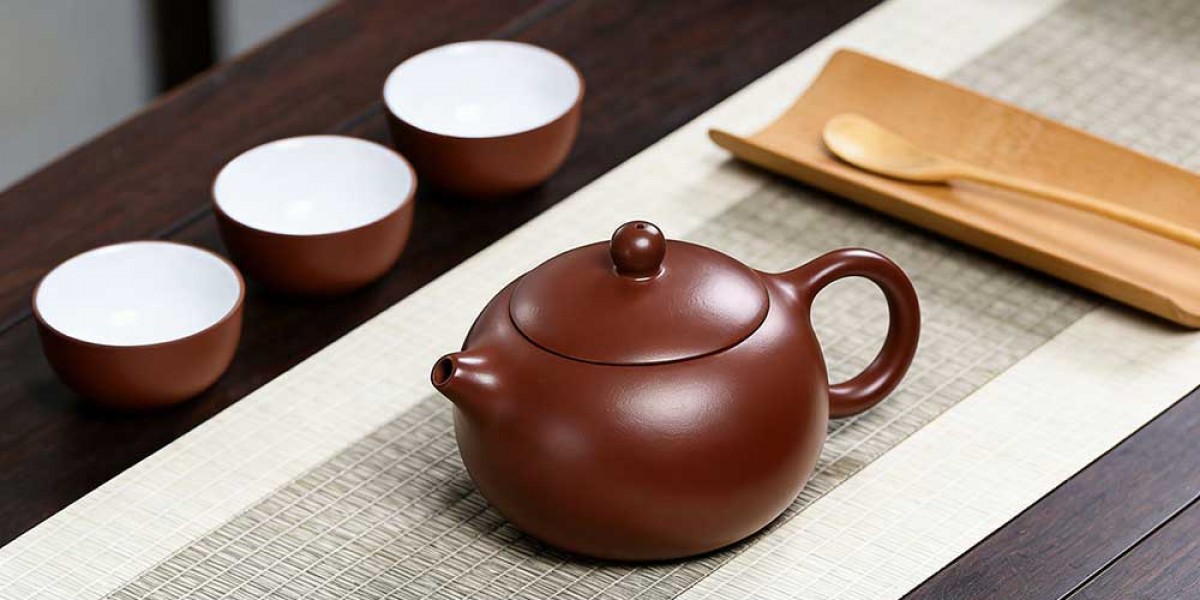
A Brief History of Yixing Teaware (Zisha Hu/Purple Sand Pot)
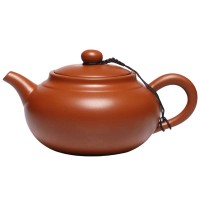
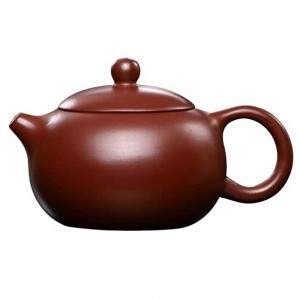
Yixing teaware, which is crafted from the unique zisha (purple sand) clay that is sourced in Dingshu Town near Yixing, Jiangsu Province, has evolved from a utilitarian vessel to a revered art form deeply intertwined with Chinese tea culture. Here is its chronological journey:
Song Dynasty, 960–1279 (Pre-Ming Origins)
The earliest traces of zisha teaware date to the Song Dynasty. Archaeological findings at Yangjiao Mountain reveal primitive purple clay teapots, but they were basic, bulky wares for everyday use rather than refined tea vessels. During this period, the powdered tea whisked in bowls was the norm, so specialized teapots had not yet found mainstream appeal.
Ming Dynasty, 1368–1644 (Rise to Prominence)
This era marks the birth of the classic Yixing teapot. In the early 16th century (Zhengde reign), Gong Chun (also known as Kung Ch'un) – a servant of tea master Wu Lun – learned pottery techniques from monks at Jinsha Temple. His iconic Tree Burl Teapot (modeled after ginkgo tree galls) transformed zisha from a coarse craft into a scholarly pursuit.
Later, the master Shi Dabin (Shi Ta-pin) revolutionized the craft by creating smaller, more elegant teapots suited for loose leaf tea, which became popular in the late Ming. Yixing teapots’ porous, double-air-hole structure was discovered to enhance tea flavor, retain heat, and not react with acidic brews, cementing their reputation among literati.
Qing Dynasty, 1644–1912 (Golden Age of Artistry)
The Qing period saw Yixing teaware flourish as both art and luxury export. Masters like Chen Mingyuan (Chen Ming-yuan) blended naturalistic forms (melons, fruits, bamboo) with technical precision, making his works highly sought after domestically and abroad.
A pivotal moment came in the late 18th century with the Mansheng Pots: scholar-official Chen Hongshou collaborated with potter Yang Pengnian to merge calligraphy, poetry, and seal carving onto teapots, elevating zisha to a fusion of literati art and ceramic craft. By the 17th century, Yixing pots traveled to Europe via the Maritime Silk Road, inspiring Dutch Delftware and early English teapot designs.
20th Century (Turmoil and Revival)
The early Republic era (1912–1949) saw booming exports to Japan, Southeast Asia, and the West, but wars and the Cultural Revolution (1960s–1970s) devastated the craft, with many masters silenced and kilns closed. Post-1950s, the government established the Yixing No.1 Zisha Factory, gathering surviving artisans to train new generations and standardize production.
In the 1980s, China’s opening-up sparked a global revival of interest in Yixing teapots. Collectors worldwide chased works by contemporary masters, and the craft was recognized as an Intangible Cultural Heritage by UNESCO in 2006.
21st Century (Contemporary Era)
Today, Yixing teaware balances tradition and innovation. While many artisans preserve age-old techniques (hand-kneading clay, no-glaze firing), others experiment with modern shapes and collaborations with global designers. Zisha teapots remain a symbol of refined taste, with authentic pieces commanding high prices at auctions, and continue to be cherished by tea lovers for their unique ability to improve the flavor of tea over time.
Related Products
Leave a Comment