



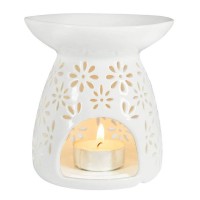
How to Brew Tea with Proper Teaware

How to Brew Tea With Proper Teaware
Tea brewing is far more than simply pouring hot water over tea leaves. It is an elegant traditional craft that combines temperature control, timing, and the use of professional teaware. Proper teaware is not just a container for tea; it preserves the pure aroma, balanced taste, and delicate texture of different teas. Matching the right teaware with standard brewing steps can turn a simple cup of tea into a relaxing sensory experience. Mastering the correct way to brew tea with professional teaware is the key to unlocking the best flavor of all kinds of tea.
Choose the Right Teaware For Different Teas
The first rule of perfect tea brewing is selecting targeted teaware, as different materials and shapes of teaware greatly affect tea flavor.
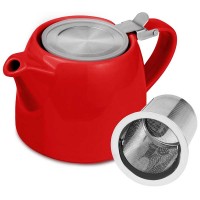
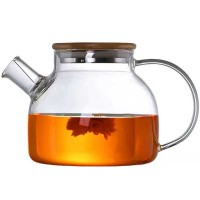
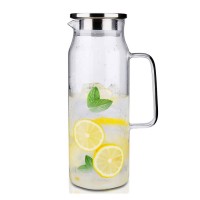
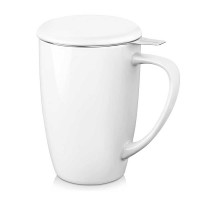
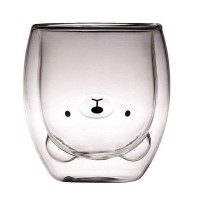
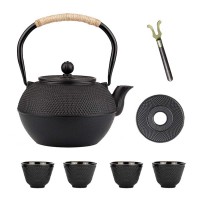
Porcelain teapots and cups are the most versatile choice. With smooth and non-porous surfaces, they do not absorb tea flavors or leave residual odors, making them ideal for green tea, white tea, and jasmine tea. They retain the fresh, delicate taste of light teas without overwhelming their subtle fragrance. Glass teaware is also perfect for light teas. Its transparent body allows people to watch the beautiful scene of tea leaves stretching and floating in the water, while maintaining a stable water temperature to preserve the fresh and sweet flavor of green and white tea.
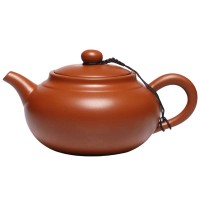
Zisha (purple clay) teapots are a classic choice for fermented and semi-fermented teas such as black tea, oolong tea, and pu-erh tea. The fine porous structure of purple clay can absorb impurities in the tea water and soften the tea taste, reducing bitterness and astringency. It also keeps the tea warm for a long time, fully releasing the rich, mellow, and layered aroma of fermented teas. For coarse old tea and strong-flavored oolong tea, a thick-bodied Zisha teapot is always the best match.
Preparations: Clean And Preheat Teaware
Before brewing, standard teaware preparation is essential to ensure pure tea flavor, and the most critical steps are cleaning and preheating.
First, clean all teaware including teapots, fair cups, tea strainers, and tasting cups with warm water. New teaware may carry residual dust and firing odors, while used teaware may have old tea stains. Thorough cleaning avoids mixing impurities into the new tea soup and affecting the taste.
Next comes preheating, a step most easily overlooked by beginners. Pour boiling water into the teapot and cups, shake gently, and pour out the water after 10 to 20 seconds. Preheating raises the overall temperature of the teaware, preventing cold teaware from lowering the water temperature after pouring hot water. Stable and sufficient temperature helps tea leaves fully release their essence, ensuring consistent flavor of every brew.
Standard Brewing Steps With Professional Teaware
Step 1: Measure Tea Leaves
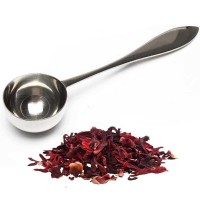
The amount of tea leaves depends on the capacity of the teapot and the type of tea. As a general standard, fill one-third of the teapot capacity with tea leaves for oolong and pu-erh tea, one-fifth for black tea, and a small amount for green and white tea. Too much tea leads to bitter and strong-tasting soup, while too little makes the tea weak and tasteless. Accurate dosage with matched teaware lays the foundation for balanced tea flavor.
Step 2: Wake Up the Tea Leaves
For compressed tea, aged tea, and semi-fermented tea, wake up the tea leaves first after putting them into the teapot. Pour a small amount of boiling water to cover the tea leaves, then pour out the water immediately. This step removes surface dust, activates the dormant aroma of tea leaves, and softens the tea texture, making it easier for the subsequent brewing to release rich flavors. Green tea and tender white tea do not need this step to avoid losing fresh aroma.
Step 3: Brew with Hot Water
Control the water temperature according to tea types. Boiling water (100°C) is suitable for oolong tea, black tea, and pu-erh tea to stimulate their rich and heavy aroma. Water at 80°C to 85°C is perfect for tender green tea and white tea, preventing high temperature from scalding the tea leaves and causing a bitter taste. When pouring water, lift the kettle slightly and pour water in a circular motion along the inner wall of the teapot to ensure even soaking of all tea leaves.
Step 4: Control Brewing Time
The brewing time varies with teaware and tea types. For Zisha teapots with good thermal insulation, the first brew of oolong and black tea takes about 30 seconds, and each subsequent brew extends by 10 to 20 seconds. For porcelain and glass teapots with faster heat dissipation, appropriately prolong the brewing time by 10 to 15 seconds. Light green and white tea only needs 20 to 25 seconds for the first brew to maintain its fresh and sweet taste.
Step 5: Filter and Serve Tea
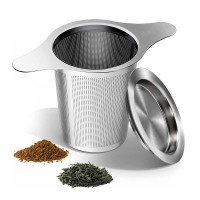
After brewing, pour the tea soup into a fair cup through a tea strainer. The fair cup balances the concentration of the tea soup, making the taste of each cup of tea consistent, while the strainer filters out fine tea residues to ensure smooth and clear tea water. Finally, pour the tea from the fair cup into small tasting cups for tasting.
Post Brewing Teaware Maintenance
Proper teaware maintenance after brewing not only prolongs the service life of teaware but also guarantees better tea flavor for the next use. After drinking tea, clean the teaware with warm water immediately to wash away residual tea soup and tea stains. Do not use detergent, as chemical residues will destroy the original flavor of tea. Wipe Zisha teapots gently with a clean tea cloth and place all teaware in a ventilated place to dry naturally. Long-term accumulated tea stains will make the tea taste turbid and affect the brewing effect.
Conclusion
Brewing tea with proper teaware is a perfect combination of craftsmanship and art. Matching professional teaware with standardized brewing steps can maximize the unique aroma and taste of each type of tea. Every step from teaware selection, preheating, brewing to maintenance affects the final tea flavor. Learning and adhering to these standard methods allows every tea lover to brew a cup of mellow, fragrant and pure tea, and feel the unique charm of traditional tea culture in the process.
Leave a Comment