



5 Key Steps to Brew a Perfect Cup of Tea

Brewing tea is an art and science that has been refined over thousands of years.
According to a Chinese legend, the first cup of tea was brewed nearly 5,000 years ago. When Emperor Shen Nung was resting in the imperial garden next to a Camellia sinensis tree, some leaves from the tree were blown by the wind into the earthen cauldron where he was boiling water. Out of curiosity, the Emperor tasted the infused water and was pleasantly surprised -- that was the origin of the first cup of tea.
Times have changed, but to brew an ideal cup of tea nowadays, precise methods and proper timing are still essential. Follow these 5 steps, and you can brew a perfect cup of tea every time:
1. Use Fresh, Filtered Water
Water is the foundation of releasing the flavor of tea. To brew a good cup of tea, you must choose the right water first:
Do not reuse water that has already been boiled, as the flavor of such water will be greatly reduced; meanwhile, the minerals in unfiltered tap water will interfere with the original aroma and taste of the tea.
The best choices are filtered water, spring water or bottled water. Boiling tea with such water can fully release the flavor of the tea.
2. Heat Water to the Right Temperature
Many brewing guides start with "boil water", but there are actually details to it:
If you are brewing black tea, oolong tea, rooibos tea or other herbal teas, you can heat the water to a full rolling boil, which is 212 degrees Fahrenheit
However, the tea buds of green tea and white tea are more tender. High water temperature will scorch the tea leaves, resulting in an unpleasant bitter taste. The water temperature for such teas should be controlled between 165 and 185 degrees Fahrenheit, which is close to boiling but not yet boiling
In addition, try not to heat water in a microwave oven: the microwave heats water too fast and unevenly, and cannot complete the oxygenation process during boiling. Tea brewed with such water will taste flat, dull or even bitter; while heating water in a proper tea kettle, the oxygenation effect brought by the boiling process can better stimulate the flavor substances in the tea leaves.
3. Control the Amount of Tea
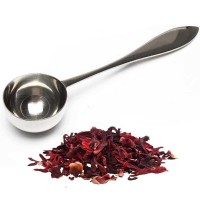
Generally, for a 6-ounce cup, one tea bag or one teaspoon of whole-leaf loose tea/herbal tea is sufficient.
If you want a stronger flavor, it is recommended to add more tea leaves or an extra tea bag, rather than extending the brewing time -- steeping for a long time or squeezing the tea bag will make the tea taste bitter, so adding more tea is a more reliable way to enhance the flavor.
4. Pour Hot Water Over the Tea Leaves
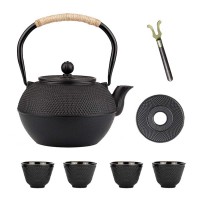
If you are using a teapot, preheat it first: pour a small amount of hot water into the empty teapot and swirl it around to warm the pot wall, then discard the water. This step can prevent the teapot from cracking due to sudden temperature changes.
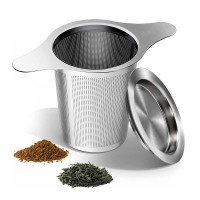
Then put the tea bag(s) or tea leaves into the cup or the preheated teapot, and then pour the hot water over the tea leaves -- it is better to put the tea first and then pour the water, rather than adding the tea leaves or tea bags to a cup or pot that already contains hot water. If you are using a tea infuser, make sure it is fully submerged in the water during steeping.
5. Steep for the Appropriate Time
The ideal steeping time varies depending on the type of tea. Generally, the recommended time range is marked on the tea package:
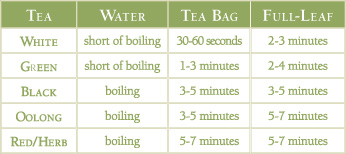
- If the steeping time is too short, the tea will taste weak and watery, lacking in flavor depth
- If the steeping time is too long, the infusion will produce excessive bitter and acidic substances, resulting in a bitter and overly acidic taste
It is best to strictly follow the time range recommended on the package, and you can adjust it according to your own preferences later.
In fact, there is no absolute standard answer for brewing tea. You can try adjusting the type of water, water temperature, amount of tea and steeping time to find the way that best suits your taste. Over time, you can develop your own "perfect tea brewing method".
Leave a Comment