



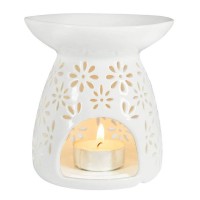
How Is Yixing Teapot Made

How Yixing Teaware (Zisha Hu) Is Made
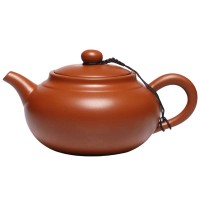
Yixing purple clay teapots (Zisha Teapots) are famous for being unglazed, handcrafted, and made from unique local zisha clay. The entire process is traditional, labor-intensive, and has barely changed for centuries. Below is the step-by-step production process of purple clay teapots.
1. Mining And Preparing Of Zisha Clay
- Raw purple sand clay is mined from deep underground near Yixing, Jiangsu.
- It is naturally air-dried, then crushed into powder, and mixed with water.
- The clay is kneaded repeatedly by hand or foot to remove air bubbles, which could help to prevent cracking during firing.
- Good clay must rest (mature) for months or even years to become smooth and malleable.
2. Hand-Shaping The Teapot Body
There are two traditional methods:
Hand Pinching (Shou Nie)
- The simplest and most ancient technique.
- Artisans shape the teapot directly with their hands and give each piece a unique, organic feel.
- Usually used for small, artistic or irregular shapes.
Slab Construction (Ban Pi Fa)
- The most classic Yixing teapot making method.
- Clay is rolled into flat sheets, cut into arcs, then joined to form the round teapot body.
- No potter’s wheel is used — the round shape is formed purely by hand-pressing and trimming.
3. Making the Spout, Handle, Lid And Foot
- Spout, handle, and knob are shaped separately from clay strips.
- They are carefully attached to the body using slip (liquid clay) as glue.
- The lid must be made to fit perfectly — no gaps, no wobbling, and should sit evenly.
- Artisans use small tools to carve, smooth, and refine every detail.
4. Trimming And Detailing
- The surface is scraped and polished to be smooth but not glossy.
- Many teapots are engraved with calligraphy, paintings, or seals by scholars or artists.
- The teapot is left to dry slowly and evenly to avoid warping.
5. Firing In The Kiln
- Zisha teapots are fired without glaze at around 1100–1200°C.
- Traditional wood-fired kilns give subtle color variations; modern gas kilns are more consistent.
- Temperature and timing determine the final color (purple, red-brown, dark chestnut, greenish gray).
6. Finishing And Quality Check
- After cooling, the pot is inspected for cracks, unevenness, or poor fitting.
- Some are lightly polished to enhance the natural matte texture.
- A finished Yixing teapot is porous, retains heat well, and gradually absorbs tea oils over time.
That’s the whole traditional craft, the reason real Yixing zisha teapots are valued as both functional teaware and works of art.
Related Products
-80 %
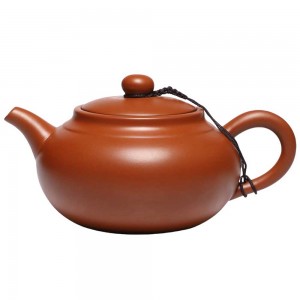
Key FeaturesAuthentic Purple Clay (Zisha) For Superior Brewing - This 400ml teapot is carafted from high quality natural Yixing Zisha clay sourced dir..
$79.99 $399.99
Ex Tax:$79.99
-80 %
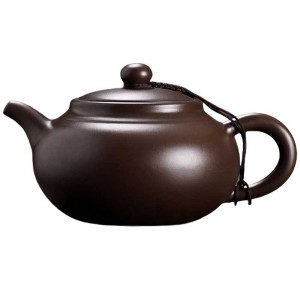
Chinese Teapot Size - Chinese teapot 14oz size 6.69×3.54in/17×9cm,capacity 14.2oz/420ml.Chinese Teapot Material - Pure natural raw chinese purple clay..
$79.99 $399.99
Ex Tax:$79.99
-80 %
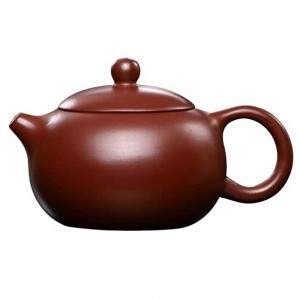
Chinese Teapot Detail: Chinese zisha pot,Zisha clay Dahongpao teapot,classical xishi tea pot ,Maximum carrying capacity 5oz (about 150ml) .This is a v..
$79.99 $399.99
Ex Tax:$79.99
Leave a Comment