





How To Brew A Cup Of Perfect Tea

Brewing a perfect cup of tea in 2025 relies on balancing water quality, temperature, and timing to avoid bitterness and extract full flavor.
1. Use Fresh, Filtered Water
Start with fresh, cold water rather than re-boiling water already in the kettle, as fresh water has higher oxygen levels that produce a brighter taste. Using filtered or spring water is highly recommended to avoid the minerals and chlorine found in tap water, which can dull tea's aroma.
2. Preheat Your Vessel
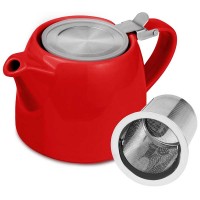
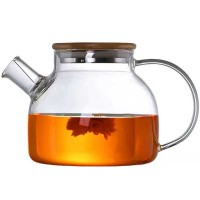
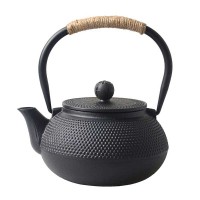
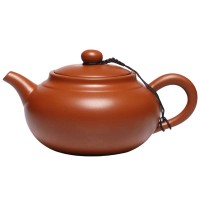
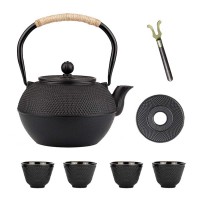
Before brewing, rinse your teapot or mug with a small amount of hot water, swirl it around, and then discard it. This prevents the brewing water from losing heat too quickly when it hits a cold container, ensuring a consistent temperature during extraction.
3. Measure the Golden Ratio
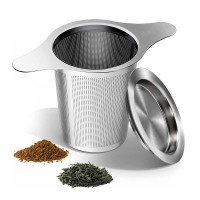
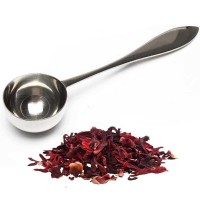
For most teas, the standard ratio is 1 teaspoon of loose-leaf tea or one tea bag per 6–8 ounces of water.
- Delicate/Fluffy Teas: Use up to 2 teaspoons for white or herbal teas to achieve sufficient flavor.
- Strength Tip: If you want a stronger brew, add more tea leaves rather than steeping longer, which can lead to bitterness.
4. Heat Water to the Correct Temperature
Avoid using boiling water for all teas, as excessive heat can scorch delicate leaves.
| Tea Type | Ideal Temperature |
| Black / Herbal / Pu-erh | Full Boil (212°F / 100°C) |
| Oolong | Almost Boiling (190°F–200°F / 88°C–93°C) |
| Green / White / Yellow | Steaming (160°F–180°F / 71°C–82°C) |
5. Steep with a Timer
Timing is critical for flavor balance. Once the time is up, remove the leaves or tea bag immediately to prevent the release of excess tannins.
- Black Tea: 3–5 minutes.
- Green/White/Oolong: 2–3 minutes.
- Herbal: 5–15 minutes.
- Tip: Covering your cup while steeping helps retain heat and essential aromatic oils.
Leave a Comment