






How To Maintain Yixing Teaware

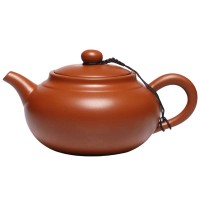
Yixing teaware is crafted from the unique purple clay of Jiangsu Province, China, which is more than just a tool for brewing tea, it also is a living artifact that matures and evolves with care. Its porous clay structure not only enhances the aroma and flavor of tea but also develops a warm and smooth patina over time, making each piece one-of-a-kind.
Maintaining Yixing teaware is not a tedious task; rather, it is a ritual that deepens your connection with tea and preserves the beauty of the clay. Below is a comprehensive guide to help you care for your Yixing teapot, teacups, and accessories, ensuring they accompany you through countless tea moments for years to come.
1. The First Step: Seasoning a New Yixing Teapot
A new Yixing teapot cannot be used directly for brewing tea. The seasoning process is also known as “opening the teapot,” removes residual kiln dust, clay particles, and the earthy odor from firing, while opening the clay’s pores to better absorb tea oils—laying the foundation for a beautiful patina. Follow these simple steps for proper seasoning:
- Rinse Thoroughly: First, rinse the teapot and its lid inside and out with warm water to remove any surface dust. Use a soft-bristled brush (such as a wool or soft nylon brush) to gently clean crevices, spouts, and the inner wall—avoid hard brushes that can scratch the clay. Never use soap or detergent, as the porous clay will absorb chemical residues, ruining the tea’s flavor permanently.
- Wake the Clay: Fill a clean pot with pure water, submerge the teapot (with the lid separated) completely, and place a soft cloth at the bottom to prevent the teapot from hitting the pot’s surface. Bring the water to a gentle boil, then simmer for 15-20 minutes. Turn off the heat and let the teapot cool naturally in the water—this step eliminates firing odors and softens the clay.
- Season with Tea: After cooling, discard the water and fill the teapot with tea leaves of the type you plan to brew regularly (e.g., oolong for Zhu Ni clay, Pu-erh for Zi Ni clay). Pour boiling water over the leaves, cover the lid, and let it soak for 4-8 hours or overnight. This allows the clay to absorb the tea’s essence, preparing it to enhance future brews. Finally, rinse the teapot with warm water and air-dry it upside down in a well-ventilated area away from direct sunlight.
Note: Avoid folk remedies like soaking in tofu or sugarcane—these can clog the clay’s pores and affect its breathability.
2. Daily Maintenance: The Key to a Luminous Patina
Daily care is the most important part of maintaining Yixing teaware. Consistent, gentle care will help the clay develop a natural, jade-like patina that becomes more radiant with each use. Follow these golden rules:
One Pot, One Tea
Yixing clay’s porous nature allows it to absorb the aroma and flavor of tea. To avoid cross-contamination and ensure the teapot develops a consistent patina, dedicate each teapot to one type of tea (e.g., black tea, oolong, Pu-erh). For example, a teapot used for roasted oolong should not be used for green tea, as the residual flavors will clash and ruin both the tea and the teapot’s character.
Pre-Warm to Prevent Thermal Shock
Yixing clay is sensitive to sudden temperature changes, especially in cold weather. Before brewing, rinse the teapot with 60°C warm water to preheat it—this prevents the clay from cracking when boiling water is poured in. This step is especially crucial for Zhu Ni clay, which has a high crystallization rate and is more prone to cracking from thermal shock.
Clean Immediately After Use
After brewing, empty the tea leaves promptly (do not leave them overnight, as this can cause mold and stubborn stains). Rinse the teapot and lid with hot water (50-60°C) to remove residual tea particles—no need for scrubbing. Use a clean, soft tea cloth to gently wipe the exterior of the teapot while it is still warm; this helps distribute tea oils evenly, promoting patina development. Finally, place the teapot upside down on a drying rack to air-dry completely, ensuring no moisture remains inside (dampness can lead to mold and sour odors).
Gentle Handling
Yixing teaware is delicate—handle it with care. Avoid dropping or knocking the teapot, especially the spout and lid, which are fragile and can chip easily. When pouring tea, hold the handle instead of pinching the spout, as this can cause the spout to crack from uneven pressure. Also, avoid touching the teapot with oily or sweaty hands, as oil can create an artificial “monk’s shine” that ruins the natural patina.
3. Cleaning: Balance Between Patina and Hygiene
A common misconception is that Yixing teapots should never be cleaned—but proper cleaning is essential to maintain hygiene without damaging the patina. The core principle is “retain thin tea stains, clean thick deposits”:
Daily Light Cleaning
As mentioned earlier, rinsing with hot water and wiping with a soft cloth after each use is sufficient for daily care. This removes surface tea residue while preserving the thin, even tea stains that contribute to patina development.
Weekly Moderate Cleaning
If minor tea stain buildup occurs (less than 1mm), fill the teapot with 80°C hot water and soak for 15 minutes to soften the stains. Use a soft-bristled brush to gently scrub the inner wall, spout, and lid crevices—focus on areas where residue accumulates. Rinse thoroughly with warm water and air-dry.
Monthly Deep Cleaning
For stubborn, thick tea stains, prepare a mild solution of baking soda and warm water (concentration no more than 5%) or a single citric acid tablet. Fill the teapot with the solution and soak for 30 minutes, then gently wipe with a soft cloth. Rinse the teapot with warm water at least three times to ensure no residue remains, as this can affect the tea’s flavor. Alternatively, you can simmer the teapot in plain water for 10 minutes to remove stubborn deposits.
Cleaning Taboos
- Never use steel wool, hard brushes, or abrasive sponges—these will scratch the clay, damage the patina, and make the pores more prone to trapping stains.
- Never use soap, detergent, or disinfectant—chemicals will seep into the clay’s pores, leaving permanent odors and ruining the tea’s taste.
- Do not scrape the inner wall with metal tools (e.g., spoons)—this leaves invisible scratches that affect the clay’s texture and patina development.
4. Storage: Protecting Your Teaware When Not in Use
Proper storage ensures your Yixing teaware remains in good condition during periods of non-use. Follow these tips:
- Ensure Complete Dryness: Before storing, make sure the teapot is fully air-dried—any residual moisture can cause mold and a sour odor. Place a piece of rice paper between the lid and the teapot body to prevent sticking and absorb any remaining moisture.
- Choose a Suitable Location: Store the teapot in a dry, well-ventilated area away from direct sunlight, heat sources (e.g., stoves, radiators), and strong odors (e.g., kitchens, perfumes). Direct sunlight can dry out the clay and cause it to crack, while strong odors can be absorbed by the porous clay.
- Rotate Use if You Have Multiple Teapots: If you own several Yixing teapots, rotate their use to allow each one to “rest” and dry completely between brews. This prevents moisture buildup and helps maintain the clay’s vitality.
- Avoid Sealed Storage: Do not store a damp teapot in a sealed box or bag—this traps moisture and promotes mold growth. Leave the lid slightly askew to allow air circulation if storing for a short period; for long-term storage, keep the lid separate and place the teapot in a breathable container (e.g., a cotton bag).
5. Common Mistakes to Avoid
Even with the best intentions, small mistakes can damage your Yixing teaware. Here are the most common pitfalls to steer clear of:
- Rushing the Patina: Some tea lovers soak their teapots in tea or smear tea residue on the surface to “force” a patina. This creates an artificial, uneven gloss that is not only unattractive but also clogs the clay’s pores. Patina develops naturally over time with consistent use and gentle care—be patient.
- Over-Cleaning or Under-Cleaning: Over-cleaning (e.g., frequent boiling, using vinegar) damages the clay’s natural breathability and patina. Under-cleaning (e.g., leaving tea leaves overnight) leads to mold, odors, and unsightly stains. Strike a balance with regular, gentle cleaning.
- Ignoring Thermal Shock: Pouring boiling water into a cold teapot or placing a hot teapot on a cold surface can cause the clay to crack—this damage is irreversible. Always pre-warm the teapot and handle temperature changes gradually, especially in winter.
- Using the Teapot for Non-Tea Purposes: Never use your Yixing teapot to brew coffee, herbal infusions, or other beverages. These can leave strong, hard-to-remove odors that ruin the teapot’s ability to enhance tea flavor.
Conclusion
Maintaining Yixing teaware is a labor of love that rewards patience and care. It is not about following strict rules, but about developing a gentle routine that honors the clay’s unique properties. As you clean, handle, and store your teapot, you will notice it gradually transforms—its color deepens, its surface becomes smoother, and it begins to retain the subtle aroma of your favorite tea. This transformation is the magic of Yixing teaware: it does not just serve your tea—it becomes a reflection of your tea-drinking journey.
Remember, a well-maintained Yixing teapot is not just a teaware; it is a companion that ages with you, carrying the memories of every cup of tea you brew. With the right care, your Yixing teaware will become a cherished heirloom, passed down through generations, each sip telling a story of care and connection.
Related Products
Leave a Comment