

How To Make Taste Tea Easily

This is a step-by-step tea guide that teaches you how to make tea like an "ordinary person"-no rigid textbook-style language, only easy-going guidance like a tea lover.
How To Use A Professional Tea Set To Make Tea
To be honest: You don't have to use an expensive tea set to make a good cup of tea. There is only a mug and a tea bag at hand, which is enough for emergencies. However, if you happen to have a professional tea set idle at home-or are planning to buy one-learn how to use them to avoid feeling like you're performing a "ceremonial drama in a museum." This guide is designed to serve daily life, not the meticulous formal tea ceremony.
Appliances You May Use (basic configuration)
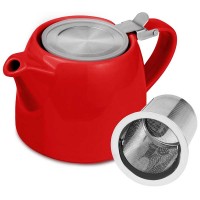
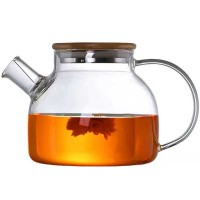
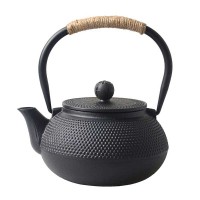
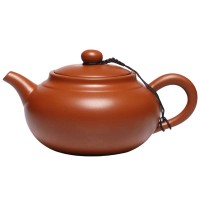
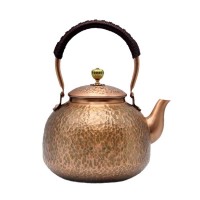
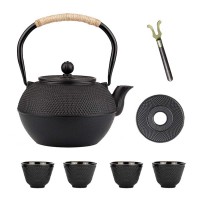
- Teapot: ceramic or glass are great; but avoid spout designs that leak easily when pouring water
- Kettle: electric kettle or stove pot can be used; as long as it can boil water
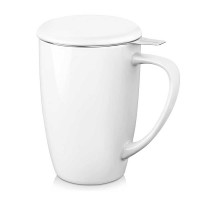
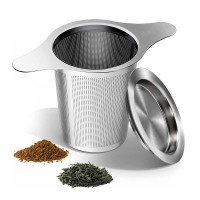
- Filter/Stranier/Infuser: if your teapot doesn't have its own filter busket
- Tea cup: Any medium and small cup can be used, but the thin-body porcelain cup adds a touch of refinement to the ceremony
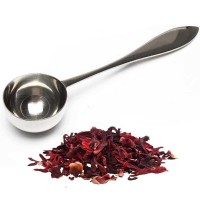
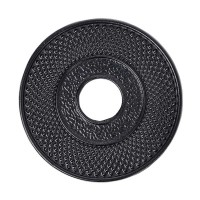
- Optional but helpful assistive tools: tea scale or measuring spoon, timer, you can use your mobile phone to count, and a tray to catch dripping tea.
Step 1: Select tea leaves and warm the pot
First, choose the tea you want to make: black tea, green tea, oolong tea, white tea, or herbal tea. To be honest: Although different types of tea have different preferences for water temperature, you don't have to be anxious about this. Just keep one basic principle in mind: green tea should be brewed in a lower water temperature (about 175°F / 80°C), while black tea should be brewed in boiling water.
Next, pour hot water into the empty teapot and gently shake the teapot to let the hot water spin in the teapot. The water was then poured out. Why would you do this? There are two main reasons: one is to preheat the teapot to avoid the rapid cooling of the tea leaves as soon as they are put into the pot; the other is to wash away any fine dust that may adhere to the tea leaves. In addition, this step will also make you look like a tea maker and look like a decent person.
Step 2: Measure the tea leaves (don't just grab them based on your feelings)
This step is often the place where people are most likely to make mistakes. Because the volume of tea leaves will expand greatly after being soaked in water. Here is a general rule of thumb: for each cup of tea, add a flat teaspoon (about a teaspoon) of loose tea; on top of this, add an extra spoonful as the "amount reserved for the teapot." If you are using a smaller 12-ounce teapot, it is recommended to put in about 2 to 3 grams of tea first-roughly the equivalent of a spoonful. If you feel that the tea tastes light the next time you brew, please increase the amount of tea leaves instead of extending the brewing time.
Step 3: Heat the water to the appropriate temperature
You don't need to use a thermometer, just observe the state of bubbles in the water:
- Black tea/herbal tea: Completely boiling (large bubbles and violently tumbling, abundant water vapor)
- Oolong tea: Close to boiling (small bubbles, water vapor just beginning to rise)
- Green/white tea: Water vapor rises but has not yet bubbled (about 3 seconds before boiling)
If you accidentally brew green tea with boiling water, don't panic-although the taste may be slightly bitter, the entire pot of tea will not be scrapped. You can drop a small amount of cold water into the tea soup to adjust it, or drink it directly, and use this as a lesson to improve it the next time you brew it.
Step 4: Water filling and timing (yes, please set a timer)
Please pour hot water into the pot containing the tea leaves, and do not reverse the order (i.e. pour water first and then add tea). This will help the tea fully stretch. Then, cover the lid.
For most teas, brewing time is often more important than water temperature:
- Black tea: 3 to 5 minutes (after more than 5 minutes, although the tea flavor is strong, it is no longer "mellow" but "bitter")
- Green tea: 2 to 3 minutes (if the brewing time is too long, the tea soup will have an unpleasant smell of grass)
- Oolong tea: 3 to 4 minutes
- White tea: 4 to 5 minutes (this kind of tea is mild in nature and has more tolerant requirements for brewing conditions)
- Herbal tea: 5 to 7 minutes (this type of tea requires a long soak time to fully release its flavor)
Please make good use of the timing function on your mobile phone. I know, I know-you may swear that you can remember time. But the truth is often: you can't remember it. I once destroyed dozens of pots of good tea because I was distracted by checking text messages. So please be sure to set the timer.
Step 5: Filtration and sub-packaging (easy, no need to rush)
If your teapot has a built-in filter, just remove it when the timer sounds. If there is no built-in filter, please pour the tea soup through the filter into the Gongdao cup (tea dispenser), or directly into the drinking cup . Don't let tea leaves soak in water for long periods of time-they will continue to release the tea flavor and eventually make the tea soup bitter and difficult to drink.
Professional tip: If you don't plan to drink the entire pot of tea immediately, it is recommended to pour all the tea soup into another container (such as a small teapot) to prevent the tea leaves from continuing to soak, causing the tea soup to be too strong or bitter. Or just drink it in one gulp. No one will judge you.
Step 6: Enjoy it to your heart's content (maybe you can brew the tea leaves again)
Here's a secret that only senior tea drinkers know: Most bulk teas (especially oolong and green tea) can actually be brewed twice, or even three times. Just re-inject hot water and extend the soak time slightly each time. The second bubble usually has the best taste-the taste is smoother and less exciting.
So don't throw away the tea leaves after soaking them once. Give them a chance to "make a second appearance". After all, this is what you deserve.
A FewPpractical Tips
Your teapot will inevitably drip water. This happens all the time. Keep a rag handy.
Don't get too far with the water temperature. If the tea tastes too bitter, use cooler water next time; if the taste is too light, use hotter water or add more tea leaves.
Before making tea, it is best to rinse the tea set with warm water (soap can leave residue and destroy the original flavor of the tea; in 90% of cases, rinsing with only hot water is enough).
If you accidentally burn your tongue, it means that you poured the tea too quickly. Let the tea cool for a minute. Taste tea for enjoyment, not for "endure".
Conclusion
A suitable tea set can make the tea making process easier and more enjoyable, but it is by no means a necessity. The best cup of tea will always be the one you really drink. So, you might as well warm the teapot first, grab a rough handful of tea leaves, set the timer, then sit down, hold a cup of hot tea, and enjoy these five minutes of leisure time quietly. This is the true meaning of tea tasting.
Leave a Comment