


How To Take Good Care Of Teapot

25 May
0 Comment(s)
257 View(s)
How to Care for Your Teapot - teaeer.com
To be honest, a good teapot is like a friend, if you want it last long and taste good every time, you gotta treat it right. Whether you got a porcelain, glass, stainless steel, or clay (Yixing) teapot from teaeer, these simple care tips will keep it clean, safe, and looking nice for years.
Teapot Daily Care After Each Use
- Empty all tea right away - Don’t leave tea in the teapot overnight or a few hours. It get bitter, stain the inside, and can grow mold easy. Just pour teas out as soon as you finish drinking.
- Rinse with warm water - For porcelain, glass, cast iron, stainless steel: rinse the teapot inside and out with warm water, no soap needed usually. If there’s stubborn tea marks, use a tiny bit of mild dish soap and a soft sponge—never harsh scrubbers or metal brushes, which could scratch the surface.
- Dry it completely, this is the mistake people make! - After rinsing, wipe with a soft dry cloth or leave it air dry with the lid off. If you put it away wet, mold and bad smells will come, especially in clay pots. I always place my teapot upside down on a clean towel so no water stays inside.
- Store in a dry place, lid loose or off - Keep your teapot in a clean, dry cabinet, not near the sink or stove where it gets humid. Don’t seal the lid tight when storing, air needs to circulate.
Teapot Care by Material
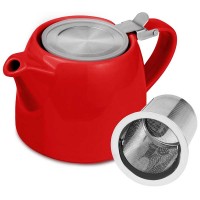
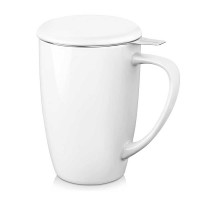
- Porcelain Teapots / Ceramic Teapot - Easy to care. Hand wash warm water with mild soap if needed. Avoid sudden hot/cold changes (like pouring boiling water into a cold pot) – it can crack.
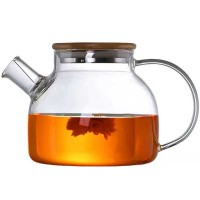
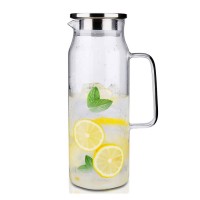
- Glass Teapots - Show stains easily, so rinse right after use. For tough marks, soak in warm water with little vinegar or lemon juice for 15–20 mins, then wash clean. Don’t use on direct fire unless it’s heat resistant glass.
- Stainless Steel Teapots - Last long but mineral buildup happens. Fill with warm water whit white vinegar (1:1), sit about 2 to 3 hours, wash well, dry with lint free cloth. Don’t leave acidic liquid inside too long.
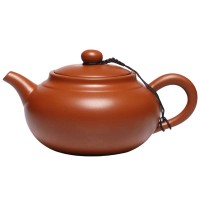
- Clay / Yixing Teapots (super special!) - NO SOAP, NO CHEMICALS EVER. Clay is porous, it absorbs soap taste forever. Just rinse warm water, rub soft sponge if needed. Also: one tea type per pot (e.g., only oolong, only black tea) – it builds “tea memory” and better flavor over time. Wipe outside with warm tea when hot to build natural patina.
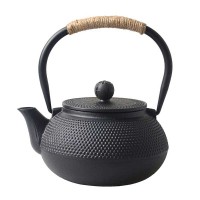
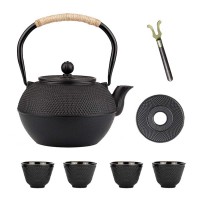
- Cast Iron Teapots - This kind teapot need more careful maintain, never soak it in water for too long time. After making tea, just rinse quickly with hot water, wipe inner wall gently, do not use any detergent at all. Must dry totally inside and outside in ventilated place, any leftover water will make it rust super easy. You can lightly coat thin edible tea oil on inner surface regularly to protect the iron layer, dont put cold water into hot cast iron teapot sudden, it will damage the inner coating easily. Keep it away from damp corner when not in use for long time.
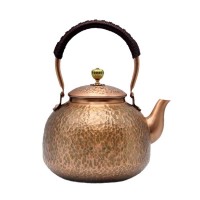
- Copper Teapot - Copper teapot is easy to get tarnish and dark oxide layer if not keep dry well. After each use, only rinse with warm plain water, wipe clean all tea residue with soft cloth, never use rough scrub things to scratch its smooth metal surface. You can use little lemon mixed salt to wipe outer dull marks gently when it turn dark, don't use strong chemical polish stuff. Never heat empty copper teapot, and avoid huge temp difference. Make sure dry it fully before storage, keep far from wet air to slow down oxidize speed, which can keep its classic metal look much longer.
What NOT to Do (Common Mistakes)
- Don’t leave tea or water inside overnight (mold, bad smell, hard stains)
- Don’t use harsh chemicals, bleach, or metal scrubbers (scratch, damage glaze)
- Don’t put most teapots in dishwasher (high heat, strong detergent ruin them)
- Don’t expose to sudden extreme temperature changes (crack risk, especially glass/porcelain)
Quick Pro Tips from teaeer
- Use your teapot often – regular use keeps it in good shape and tastes better.
- If you’re new, start with porcelain teapot or stainless steel teapot – they’re forgiving.
- For clay and cast iron lovers: patience = better taste and nice texture over months.
At teaeer, we design every teapot for daily use and easy to care. Follow these simple steps, and your teapot will serve you perfect cups of tea for years to come.
Leave a Comment