

My Favorite Cast Iron Teapot 600ml/20oz
My Favorite Cast Iron Teapot 600ml/20oz – A Love Letter (And Some Honest Thoughts)
Okay, let’s start this off by saying, I’ve been wanting to write about this cast iron teapot for months, but every time I sit down to type, I end up making a cup of tea with it instead. Oops. But today, I’m finally forcing myself to stop procrastinating, and I’m gonna tell you everything about my absolute favorite thing in my kitchen right now: my 600ml/20oz cast iron teapot.
First off, let me just say, I’m not a tea snob. Not really. I mean, I love tea, don’t get me wrong, but I used to be the person who’d just microwave a cup of water, drop a bag in, and call it a day. Then, about a year ago, my cousin sent me this cast iron teapot as a housewarming gift, and honestly? It changed everything. I know that sounds dramatic, but hear me out.
The First Time I Saw It: Love At First Sight
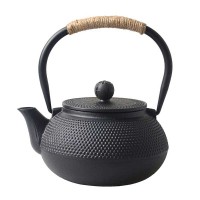
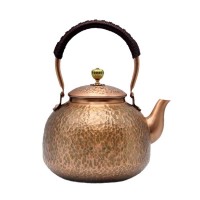
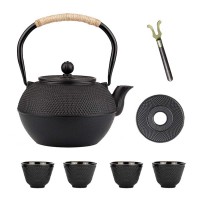
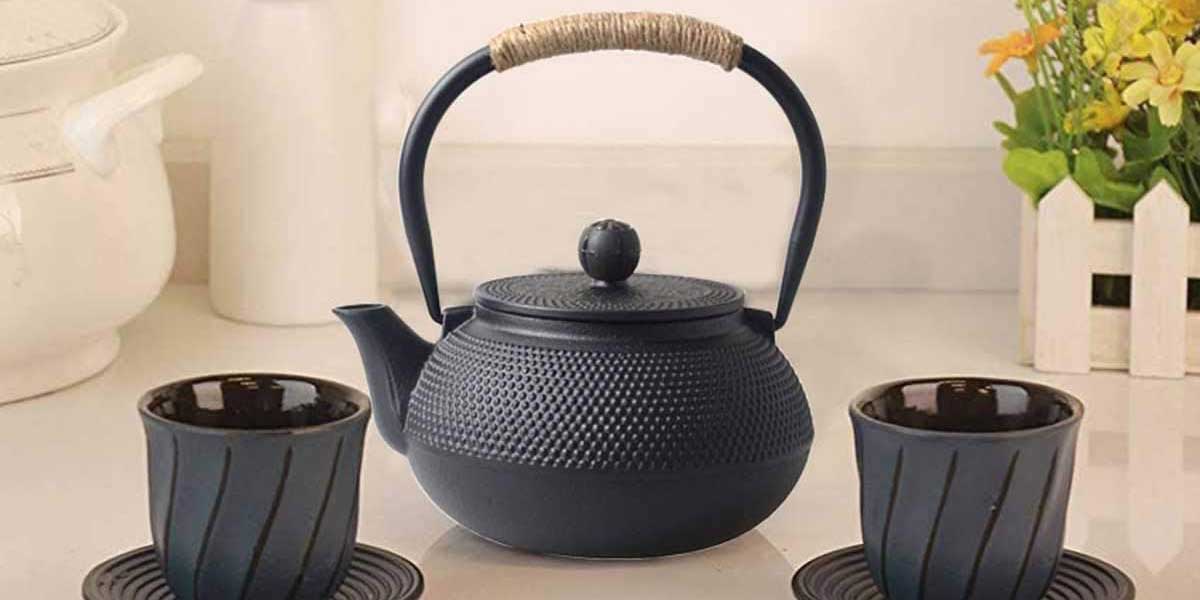
I remember opening the package and being immediately struck by how… solid it was. Like, I knew cast iron was heavy, but I didn’t realize just how heavy a small 600ml teapot could be. It’s this classic black cast iron, with that iconic hobnail pattern all over the body. The handle’s wrapped in this natural rope, which I thought was just for looks at first, but turns out it’s actually super practical because cast iron gets hot when you pour boiling water in there, right? The lid has this little flower-shaped knob, and the spout is curved just enough that pouring doesn’t make a mess (which is a huge win for me, because I’m clumsy).
At first, I was a little intimidated, to be honest. I’d heard all these horror stories about cast iron rusting if you so much as look at it wrong, or that you had to season it like a cast iron skillet, or that you couldn’t use it on the stove. I was like, “Wait, can I even use this? Am I gonna break it?” But after reading through the instructions (and watching like three YouTube videos, because I’m extra), I realized it’s actually not that complicated.
Let’s Talk About The Basics: Size, Material, And All That Good Stuff
First, the size. It’s 600ml, which is about 20oz. That means it holds roughly two standard mugs of tea, or one big, cozy mug if you’re like me and like to drink tea straight from a giant cup while watching a show. I was worried it’d be too small when I first got it, but honestly? It’s perfect for daily use. I don’t usually make tea for more than one person, so having a huge teapot just takes up space. This one’s small enough to fit on my kitchen shelf, but big enough that I don’t have to keep refilling it every five minutes.
Then, the material: cast iron. I know, I know, everyone talks about how cast iron retains heat like nothing else, but let me tell you, it’s not just hype. When I pour boiling water into this teapot, the tea stays hot for so much longer than it did in my old ceramic teapot. I used to finish half my tea before it got cold, but now I can sip it slowly over an hour or more, and it’s still warm enough to enjoy. It’s insane. And because cast iron distributes heat evenly, the tea steeps consistently, right? No more weak, watery tea at the top and bitter, over-steeped tea at the bottom.
Wait, but here’s a thing I didn’t know before: the inside of my teapot is enameled, right? Or wait, no, actually, some cast iron teapots have a black enamel coating to prevent rust, and mine does. That means I don’t have to worry about the iron leaching into my tea, which is good, because I don’t want my chamomile tea tasting like a nail or something. The enamel is smooth, so it doesn’t absorb flavors either, which means I can switch between black tea, green tea, herbal tea, whatever, without the flavors mixing. That’s a big plus.
The hobnail pattern on the outside. I thought that was just for decoration, but apparently, it’s a classic Japanese design, called “arare,” which means “hailstone.” It’s not just pretty, though – the texture actually helps with grip, which is great when you’re holding a heavy, hot teapot. The rope wrap on the handle? As I mentioned before, it’s not just for looks. When the teapot is full of boiling water, the metal handle gets really hot, so the rope acts as an insulator, so you don’t burn your hand. I’ve definitely grabbed the handle without thinking once, and even then, the rope kept me from getting burned. It’s a small detail, but it makes a huge difference.
How I Use It (And What I Learned The Hard Way)
Okay, let’s get into the practical stuff, because I know you’re probably wondering, “Wait, do you put this on the stove?” Short answer: No. Wait, wait, no – let me clarify. Some cast iron teapots are designed for stovetop use, but mine isn’t. It’s a traditional Japanese-style tetsubin, which is meant for steeping tea, not boiling water. That was my first big mistake, by the way. I tried putting it on my gas stove once, and the bottom got all discolored, and I panicked. Then I read the instructions again, and it said, “Do not place on direct heat sources.” Oops.
So, the right way to use it is: boil water in a regular kettle, then pour the boiling water into the cast iron teapot with your tea leaves. That’s it. It’s simple, I just had to get used to not boiling the water in the teapot itself. I usually heat the teapot first by pouring a little boiling water in, swirling it around, then pouring it out. That way, the teapot is warm, so when I add the boiling water for the tea, it doesn’t cool down too fast. That’s a trick I learned from one of those YouTube videos, and it actually works.
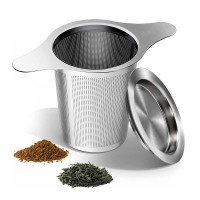
I mostly use loose-leaf tea with it, right? Because it came with a stainless steel infuser that fits perfectly inside. The infuser has these tiny holes, so even fine tea leaves don’t get through, which is great. I used to use tea bags all the time, but now I mostly use loose-leaf, because it just tastes better when it’s steeping in the cast iron. I don’t know if it’s the heat retention or what, but black tea tastes richer, green tea tastes smoother, even my herbal teas taste more flavorful.
Wait, let me give you an example. I love drinking earl grey tea in the afternoon. When I make it in my old ceramic teapot, it’s okay, but sometimes it gets bitter if I steep it too long. But in the cast iron teapot? I can steep it for 5 minutes, and it’s perfectly balanced – not too bitter, not too weak. The heat stays consistent, so the tea steeps evenly the whole time. And because the teapot stays hot, even when I pour it into my mug, it stays warm for ages. I can drink it while I work, and it’s still warm an hour later. That’s a game-changer for me, because I’m the kind of person who forgets about their tea until it’s cold.
Care And Maintenance: What They Don’t Tell You
Okay, let’s talk about the care part, because I know that’s what a lot of people are worried about with cast iron teapots. I was too, at first. I thought I’d have to scrub it with steel wool every week or something, but it’s actually way easier than that.
First rule: No soap. Ever. The enamel inside is non-reactive, but soap can leave a residue that’ll make your tea taste weird. So, after every use, I just rinse it out with hot water. That’s it. No scrubbing, no soap, just hot water. If there’s any tea residue stuck on the inside, I’ll fill it with hot water, let it sit for a few minutes, then rinse again. That usually gets it all off.
Second rule: Dry it immediately. Cast iron rusts if it stays wet, right? So after I rinse it, I dry the inside and outside with a clean towel while it’s still warm. Then I leave the lid off and let it air dry completely before putting the lid back on. I also make sure not to leave water or tea sitting in it overnight. I used to forget once, and the next morning there was a little bit of rust starting on the inside, but I scrubbed it gently with a soft sponge and it came right off. So that’s why it’s important to empty it right after use.
Wait, what about the outside? The cast iron can get water spots if you don’t dry it, so I wipe it down with a soft cloth every time I use it. The rope handle? Sometimes it gets a little damp if I spill water on it, so I just let it air dry. It’s held up really well so far, even after a year of use. No fraying or anything.
And no dishwasher, ever. Definitely not. The harsh detergents and high heat would ruin the enamel and the cast iron. So it’s all hand wash, all the time. But since it’s just rinsing with hot water, it’s not even a hassle. It takes like 30 seconds.
Why I Love It More Than Any Other Teapot I’ve Owned
Let’s get into the emotional stuff, because this teapot isn’t just a kitchen tool to me anymore. It’s become part of my daily routine, right? Every morning, I wake up, make a cup of tea with it, and it’s the first thing I do before checking my phone or starting work. It’s like a little ritual.
First, the way it looks. I know that sounds shallow, but hear me out. My kitchen is mostly white and stainless steel, so this black cast iron teapot stands out, but in a good way. It’s got this timeless, classic look that never goes out of style. The hobnail pattern is so satisfying to run your finger over, and the rope handle gives it a cozy, rustic vibe. I keep it on my kitchen counter, not hidden away in a cabinet, because it just looks so nice. It makes my kitchen feel warmer, more lived-in.
Then, the weight. I know, that sounds weird, but there’s something comforting about holding a heavy cast iron teapot. When you pick it up, you can feel how solid it is, how well-made it is. It feels like it’s gonna last forever, which is a nice feeling in a world where everything is disposable. My grandma had a cast iron skillet that she used for 40 years, and I like to think this teapot will be around that long too, if I take care of it.
And the tea itself. Like I said before, the tea just tastes better when it’s made in this teapot. Maybe it’s the heat retention, maybe it’s the even heat distribution, maybe it’s just the placebo effect, but I swear, my tea tastes richer, smoother, more flavorful. Even my husband, who’s not a tea drinker, has commented on how good the tea tastes when I make it in this teapot. He’ll even ask for a cup sometimes, which is saying something.
Wait, another thing: it’s really versatile. I use it for all kinds of tea – black tea, green tea, oolong, herbal, even matcha sometimes (though I usually use a chawan for matcha, but it works in a pinch). It’s great for cold brew too, actually. I’ll steep cold brew tea in it overnight in the fridge, and the enamel keeps the tea from getting a metallic taste. It works perfectly.
And it’s durable. I’ve knocked it over a couple times (don’t judge, I’m clumsy), and it didn’t even scratch. Cast iron is tough, right? Unlike ceramic or glass, which would shatter if you drop them, this teapot just bounced (okay, not bounced, but it didn’t break). That’s a huge plus for me, because I’ve broken so many teapots in my life. This one’s not going anywhere.
The Little Things That Make It Special
Let me tell you about some of the little moments with this teapot that have made it so special to me.
Last winter, when we had that big snowstorm, I was stuck at home for three days. I spent most of my time curled up on the couch, drinking tea and reading. I made pot after pot of chai tea in this teapot, and it kept the tea warm for hours. I didn’t have to keep getting up to reheat water, I just kept refilling my mug. It was such a cozy, comforting time, and the teapot was a big part of that.
Another time, my friend came over, and I made her a pot of jasmine green tea in the teapot. She loved it so much that she went out and bought the same one the next week. We now have matching teapots, and whenever we talk, we always end up talking about our cast iron teapots. It’s like our little thing.
And my niece, who’s 7, loves the teapot. She thinks it looks like a “magic cauldron” and always asks me to make her “magic tea” in it. It’s become a fun little tradition when she comes over. I’ll make her a cup of chamomile tea, and she’ll pretend it’s a potion. It’s silly, but it makes me smile.
Wait, even the sound of pouring tea from it is satisfying. The spout is designed so that the tea flows smoothly, no drips, no splashes. I love the sound of the tea hitting the mug, it’s so calming. I don’t know why, but it’s one of those little sensory details that makes the whole tea experience better.
Addressing The Elephant In The Room: Is It Worth The Money?
Okay, let’s talk about the price, because I know that’s a big question for a lot of people. Cast iron teapots aren’t the cheapest teapots out there, right? My ceramic teapot was like $15, this one was a bit more. But honestly? It’s worth every penny.
First, the durability. Like I said, this teapot is built to last. If I take care of it, it’ll probably outlive me. Compare that to a ceramic teapot that might break in a year, or a glass teapot that gets stained easily, or a plastic one that warps in the heat. This teapot is an investment, not just a one-time purchase.
Then, the experience. The tea tastes better, it keeps the tea hot longer, it’s more enjoyable to use. I find myself drinking more tea now, just because I like using the teapot. That’s not something I can say about my old teapots.
And the aesthetic value. It looks great on my counter, it’s a conversation starter when people come over, it makes my kitchen feel more homey. That’s worth something to me.
Wait, but let’s be real. If you’re just someone who drinks tea once a week, and you don’t care about the experience, maybe it’s not for you. But if you’re someone who drinks tea every day, who likes the ritual of making tea, who appreciates well-made things, then yes, it’s worth it.
Common Questions I Get Asked About It
Since I started using this teapot, I’ve gotten a lot of questions from friends and family, so I figured I’d answer them here.
- Can you boil water in it?
No, not this one. Some cast iron teapots are stovetop safe, but this one is for steeping only. I always boil water in my regular kettle first, then pour it into the teapot. - Does it rust easily?
Not if you take care of it. The enamel coating prevents rust, as long as you dry it after use and don’t leave water sitting in it. I’ve had it for a year, and no rust so far. - Is it heavy?
Yeah, it’s heavier than a ceramic or glass teapot. But the 600ml size is manageable. When it’s full, it’s definitely heavier, but the rope handle makes it easy to hold. - Can you use it with tea bags?
Sure, but the infuser is for loose-leaf tea. If you use tea bags, you can just drop them in, but the infuser works better for loose-leaf. - Is it dishwasher safe?
No, definitely not. You have to hand wash it with hot water only, no soap.
Final Thoughts: Would I Buy It Again?
Absolutely. 100%. If I lost this teapot tomorrow, I’d go out and buy the exact same one. It’s become such a big part of my daily life, and I can’t imagine making tea without it now.
It’s not just a teapot, it’s become part of my morning routine, my cozy afternoons, my lazy weekends. It’s brought me little moments of joy, comfort, and even connection with friends and family. And it’s built to last, so I know I’ll be using it for years to come.
If you’re on the fence about buying a cast iron teapot, I say go for it. Just make sure you get one that’s the right size for you (I love the 600ml/20oz size for daily use), read the care instructions, and don’t be intimidated by the cast iron. It’s way easier to use and care for than you think.
And who knows? Maybe it’ll become your favorite kitchen tool too, just like it’s mine.
P.S. If you do get one, let me know! I’d love to hear how you like it. And if you have any questions about using or caring for it, feel free to ask. I’ve learned a lot over the past year, and I’m happy to share.
Shop Online For Teaeer Cast Iron Teapot With Infuser For Loose Tea 600ml/20oz
See All Teaeer Cast Iron Teapots
Leave a Comment