


How to Brew Tea in a Yixing Teapot

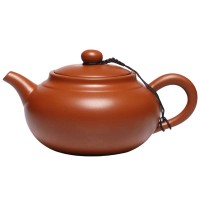
Brewing tea in a Yixing teapot is an art that combines tradition, precision, and reverence for tea. Unlike ordinary teapots, Yixing purple clay teapots are porous, breathable, and able to absorb the essence of tea over time—enhancing the aroma, mellowing the flavor, and creating a unique sensory experience with each brew. Whether you’re a beginner or a seasoned tea lover, mastering the basics of brewing with a Yixing teapot will deepen your appreciation for both the tea and the teaware. This step-by-step guide will walk you through the entire process, from preparation to serving, ensuring you brew the perfect cup every time.
1. Prepare Your Tools and Tea
Before you start brewing, gather all the necessary tools and select the right tea—this lays the foundation for a successful brew. Yixing pots are best suited for certain teas, and proper preparation ensures you don’t rush through the process or damage your teaware.
Choose the Right Yixing Pot and Tea
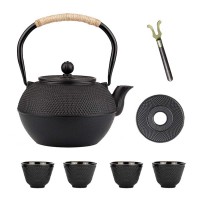
Yixing teapots come in different sizes and clay types, each paired best with specific teas (this aligns with the “one pot, one tea” principle for Yixing teaware maintenance):
- Clay Type & Tea Pairing: Zi Ni (purple clay) is ideal for fermented teas like Pu-erh and black tea, as its porous structure balances richness and smoothness. Zhu Ni (red clay) works well with oolong teas (e.g., Tieguanyin, Da Hong Pao) due to its high heat retention, which brings out the tea’s floral and fruity notes. Duan Ni (duan clay) is versatile, suitable for light oolongs and even some green teas.
- Pot Size: A 100-150ml pot is perfect for 1-2 people (personal use), while a 200-300ml pot suits 3-4 people. Smaller pots concentrate the tea’s flavor, making them ideal for high-quality, delicate teas.
Gather Your Brewing Tools
Besides your Yixing teapot and tea leaves, you’ll need:
- Fresh, filtered water (spring water is best—avoid tap water with strong chlorine or mineral flavors).
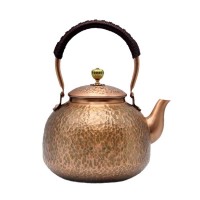
- A kettle for boiling water (preferably a stainless steel or ceramic kettle to avoid affecting water quality).
- A tea tray (to catch excess water and keep your brewing area clean).
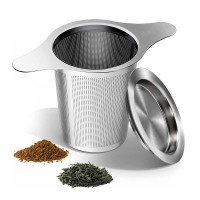
- A tea strainer (optional, but helpful for removing loose tea leaves when pouring).
- Teacups (porcelain or ceramic cups work best to appreciate the tea’s aroma and color).
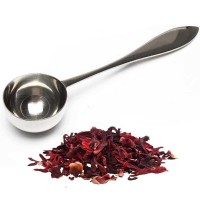
- A tea scoop (to measure tea leaves evenly).
2. Pre-Warm the Yixing Pot and Teacups
Pre-warming (also called “warming the pot”) is a crucial step that should never be skipped. Yixing clay teapot is sensitive to sudden temperature changes—pouring boiling water into a cold pot can cause the clay to crack. Additionally, pre-warming helps the pot absorb heat evenly, ensuring the tea brews at the right temperature and releases its full flavor.
- Boil your water to the appropriate temperature (see Section 3 for tea-specific temperatures).
- Pour hot water into the Yixing pot, filling it to the brim. Cover the lid and let it sit for 30-60 seconds.
- Pour the hot water from the pot into your teacups, filling them halfway. Swirl the water in the cups to warm them, then discard the water into the tea tray.
- Empty any remaining water from the Yixing pot—your pot and cups are now pre-warmed and ready for brewing.
3. Measure and Add Tea Leaves
The amount of tea leaves (tea-to-water ratio) depends on the type of tea, the size of your pot, and your personal taste. As a general rule, use 5-7 grams of tea leaves for a 150ml Yixing teapot—this is roughly 1/5 to 1/4 of the pot’s volume. Adjust the amount based on how strong you prefer your tea.
•Tea-to-Water Ratio Tips:
- Oolong tea: 6-7g per 150ml (stronger flavor, shorter steeping time).
- Pu-erh (ripe): 5-6g per 150ml (mellow, avoid over-steeping).
- Black tea: 4-5g per 150ml (lighter, longer steeping time).
- Green tea: 3-4g per 150ml (delicate, lower temperature).
•Adding the Tea:
Use a tea scoop to carefully add the tea leaves to the pre-warmed Yixing teapot. Gently shake the pot to spread the leaves evenly—do not pack them tightly, as this will block water flow and prevent the tea from steeping evenly.
4. Wake the Tea Leaves (Xing Cha)
“Waking the tea” (xing cha) is a step unique to brewing with Yixing teapots, especially for compressed teas (like Pu-erh cakes) or tightly rolled oolongs. This process rehydrates the tea leaves, opens them up, and releases their initial aroma—preparing them to brew evenly and fully.
- Pour boiling water (at the correct temperature for your tea) into the pot, filling it to the brim.
- Immediately pour the water out into the tea tray—do not let the leaves steep. This quick rinse removes any dust or residual impurities on the tea leaves and “wakes” their flavor.
- For compressed teas (e.g., Pu-erh), you may need to repeat this step 1-2 times to ensure the leaves start to unfurl.
Note:For delicate teas like green tea or white tea, you can skip this step or use cooler water (70-80°C) to avoid damaging the leaves.
5. Brew the Tea (Steeping Time & Temperature)
The key to brewing great tea in a Yixing teapot is balancing water temperature and steeping time. Different teas require different temperatures to bring out their best flavor, and steeping time increases with each subsequent brew (since the tea leaves release less flavor over time).
Water Temperature Guide
- Green tea & White tea: 70-80°C (avoid boiling water, which will make the tea bitter).
- Oolong tea: 90-95°C (high temperature brings out floral and roasted notes).
- Black tea & Ripe Pu-erh: 95-100°C (boiling water enhances richness and depth).
- Raw Pu-erh: 85-90°C (balance between extracting flavor and avoiding bitterness).
Steeping Time Guide (150ml Pot)
Steeping time starts short and increases by 5-10 seconds for each subsequent brew:
- 1st brew (after waking): 5-10 seconds (light, aromatic).
- 2nd brew: 10-15 seconds (full flavor).
- 3rd-5th brews: 15-25 seconds (gradually increasing).
- 6th+ brews: 30-60 seconds (depending on the tea’s endurance—oolong and Pu-erh can be brewed 5-10 times).
Brewing Steps
- Slowly pour hot water into the Yixing teapot, filling it to the brim. As you pour, try to cover all the tea leaves to ensure even steeping.
- Place the lid on the pot and let the tea steep for the recommended time (use a timer if needed—precision helps avoid over-steeping).
- When the time is up, hold the pot by its handle (use a cloth if it’s too hot) and pour the tea into the teacups. Pour evenly, filling each cup halfway first, then topping them up—this ensures all cups have the same strength.
- Empty the pot completely after each brew—do not leave tea in the pot, as this will make the next brew bitter and damage the clay over time.
6. Serve and Enjoy
Once the tea is poured into the teacups, take a moment to appreciate its aroma, color, and flavor—this is the reward of brewing with a Yixing teapot.
- Aroma: Before sipping, bring the cup to your nose and inhale the tea’s fragrance—Yixing pots enhance the natural aroma of tea, making it more intense and layered.
- Color: Observe the tea’s color (e.g., golden for oolong, reddish-brown for black tea, amber for Pu-erh)—this reflects the tea’s quality and brewing time.
- Flavor: Sip the tea slowly, letting it coat your tongue to taste all its nuances. Notice how the Yixing pot softens any bitterness and adds a subtle, earthy sweetness from the clay.
7. Post-Brewing Care
Proper care after brewing not only maintains your Yixing pot but also helps it develop a beautiful patina over time (as covered in the Yixing teaware maintenance guide). Follow these simple steps:
- Empty any remaining tea leaves from the pot and rinse it with hot water (no soap or detergent).
- Use a soft tea cloth to gently wipe the exterior of the pot while it’s still warm—this distributes tea oils evenly, promoting patina development.
- Place the pot upside down on a drying rack in a well-ventilated area to air-dry completely. Do not dry it with a paper towel, as this can leave lint or scratch the clay.
Common Mistakes to Avoid
Even small mistakes can affect the taste of your tea and damage your Yixing teapot. Here are the most common pitfalls to steer clear of:
- Using Boiling Water for Delicate Teas: Pouring 100°C water over green or white tea will burn the leaves, making the tea bitter and astringent.
- Over-Steeping: Leaving tea in the pot for too long creates a bitter, unpleasant flavor. Stick to the recommended steeping times and adjust based on your taste.
- Not Emptying the Pot Between Brews: Residual tea will make the next brew overly strong and can cause mold or stains in the pot over time.
- Using Soap to Clean the Pot: Yixing clay is porous and will absorb soap residues, ruining the tea’s flavor permanently. Hot water is sufficient for cleaning.
- Packing Tea Leaves Too Tightly: Tightly packed leaves block water flow, leading to uneven steeping and weak flavor.
Conclusion
Brewing tea in a Yixing teapot is more than just a method—it’s a ritual that connects you to the tradition of Chinese tea culture. With practice, you’ll learn to adjust the tea-to-water ratio, steeping time, and temperature to suit your personal taste, and you’ll watch as your Yixing pot evolves, absorbing the essence of every cup you brew.
Remember, there’s no “perfect” way to brew tea—what matters is the care and attention you put into the process. Whether you’re brewing a quick cup in the morning or sharing tea with friends, the Yixing teapot will enhance every sip, turning a simple beverage into a moment of calm and enjoyment. With this guide, you’re ready to start your journey of brewing tea in a Yixing teapot—cheers to many delicious cups ahead!
Related Products
Leave a Comment